Date Published: 2026/09/18
Read Time: mins
Motorcycle winter storage: How to prepare your bike
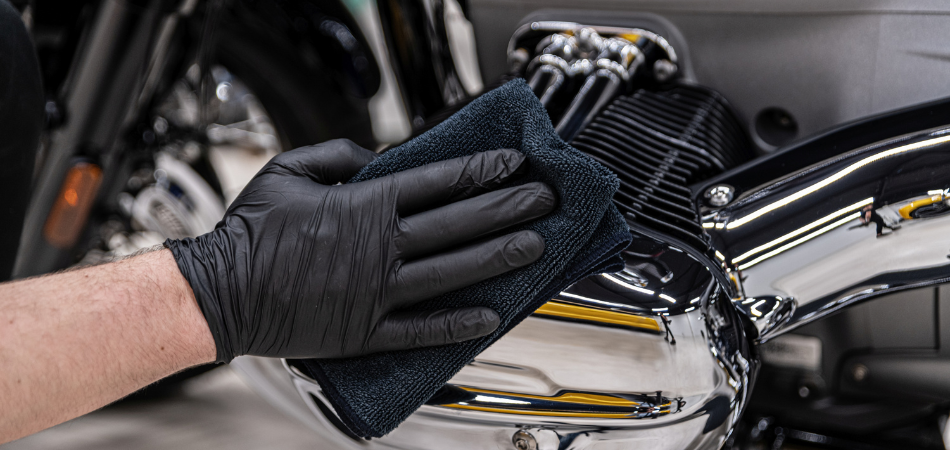
When the riding season ends, the right motorcycle winter storage routine can make the first spring ride easier and help protect your bike from corrosion, stale fuel, battery problems and avoidable wear. Winterizing your motorcycle does not need to be complicated, but each step should follow the manufacturer’s guidance.
Key takeaways:
- Clean and dry your bike.
- Follow model-specific maintenance instructions.
- Prepare the fuel system and battery.
- Check the tires.
- Choose a dry, secure storage location.
- Use a breathable cover.
- Review the owner’s manual as storage requirements vary by motorcycle.
This guide explains how to store your motorcycle for winter, what to check during the off-season and when it may be worth speaking with an insurance broker. New riders can use this guide as a starting point, while experienced riders can treat it as a seasonal checklist. For model-specific service intervals, fluids, fasteners and storage instructions, consult the owner’s manual or a qualified motorcycle technician.
Why proper motorcycle winter storage matters
Cold temperatures, moisture and long periods without use can affect exposed metal, rubber, painted and electrical components. Cleaning away road grime and insects helps prevent contaminants from sitting on finished surfaces. A suitable battery and fuel storage plan can also reduce common off-season starting problems. A stable, dry storage location helps limit moisture, temperature swings and accidental damage.
Common motorcycle storage mistakes to avoid
- Storing the motorcycle while it is dirty or damp.
- Using the same storage routine for every motorcycle instead of following the owner’s manual.
- Leaving the battery connected without an appropriate maintenance plan.
- Using an airtight plastic sheet that can trap moisture against the bike.
- Starting the engine briefly during storage without following the operating conditions specified by the manufacturer.
- Changing or cancelling insurance before reviewing the financial and coverage implications with an insurance broker.
How to prepare your motorcycle for winter storage
1. Clean, dry and inspect your motorcycle
Wash your motorcycle with products suitable for its finishes. Pay attention to areas where dirt, insects, road salt or grease can collect, then dry your bike thoroughly, including seams and recessed areas.
Inspect the bodywork, lights, controls, cables, hoses, fasteners, tires, brakes and drive components for damage or wear. Take photos and note anything that needs attention. If your motorcycle has a chain, belt, shaft drive or other model-specific components, follow the manufacturer’s cleaning, adjustment and lubrication instructions.
2. Complete essential maintenance before storage
Check the owner’s manual for storage-related maintenance and service intervals. Depending on your motorcycle and the timing of its last service, this may include an engine oil and filter change, fluid checks, coolant protection, brake inspection, chain care and lubrication of specified points. Do not mix products or add fluids unless they meet the manufacturer’s specifications.
3. Prepare the motorcycle fuel system
Follow the owner’s manual for the recommended fuel level, fuel stabilizer, carburetor procedure or other fuel-system preparation. Use only products approved for your motorcycle. Because fuel systems differ, a model-specific procedure is safer than a one-size-fits-all approach.
4. Protect and maintain the motorcycle battery
Follow the manufacturer’s procedure for disconnecting or removing the battery. Store and maintain it with equipment compatible with the battery type and in a suitable location. Battery chemistries and chargers are not interchangeable, so confirm compatibility before connecting maintenance equipment.
5. Check the tires and reduce prolonged loading
Set tire pressure to the manufacturer’s storage recommendation. Where practical and approved for the model, reduce prolonged loading on one tire area by using the appropriate stand or moving the motorcycle slightly during scheduled checks.
6. Choose a dry, secure motorcycle storage location
An indoor, dry, secure and well-ventilated space is usually the best option. Keep your motorcycle away from direct heat, open flames, sparks, standing water and areas where chemicals are stored. If storage is off-site, ask about access controls, fire protection, environmental conditions and the facility’s insurance requirements.
7. Keep out pests, then cover and secure your bike
Use removable, visible barriers for openings only when recommended, and attach a reminder so each barrier is removed before the motorcycle is started. Use a clean, breathable motorcycle cover, lock your bike, and store the keys, documents and accessories securely.
Motorcycle winter storage checklist
- Clean and dry your motorcycle completely.
- Photograph and record damage, wear, leaks and maintenance needs.
- Prepare the fuel system using the manufacturer’s instructions.
- Complete due maintenance and protect moving parts and exposed metal.
- Disconnect, remove or maintain the battery as specified for the model and battery type.
- Set tire pressure to the manufacturer’s storage recommendation.
- Use visible, removable pest barriers only where recommended.
- Cover your motorcycle with a breathable cover and secure the bike, keys and documents.
If you have questions about winter storage for your motorcycle, our experts are here to help. Meet our motorcycle insurance expert, Samuel.
Long-term motorcycle storage tips
Long-term motorcycle storage follows the same foundation as winter storage, but regular check-ins become more important. For as long as the bike remains stationary, keep an eye on moisture, battery condition, tire loading, pests, security, and documentation.
Create a long-term storage record
- Record the storage date, odometer reading, fuel treatment, battery plan, tire pressure and completed service.
- Schedule visual checks for leaks, corrosion, pests, cover condition, tire pressure, and signs of tampering.
- Keep a written restart checklist so removed parts, exhaust plugs, locks and maintenance connections are not overlooked.
Check your motorcycle without disrupting storage
Look under your motorcycle for leaks, confirm the cover remains dry and secure, and check the storage area for moisture or pests. Review battery maintenance equipment and tire condition according to your planned schedule. Avoid running the engine for a few minutes simply to warm it up unless the manufacturer specifically recommends that procedure.
Motorcycle insurance during winter storage
Insurance needs do not always end when a motorcycle is off the road. Before storing your motorcycle, contact an Orbit insurance broker to review your policy. Ask which coverages continue to protect your motorcycle while it is stored, whether a lender requires coverage, and how a mid-term cancellation or change could affect future premiums or eligibility. Do not assume your property policy automatically covers your motorcycle.
Questions to ask an insurance broker
- What protection applies while the motorcycle is stored?
- Are theft, fire, vandalism and other physical damage covered?
- Does the storage location affect coverage?
- Are there security or storage conditions in the policy?
- What are the consequences of reducing or cancelling coverage?
- What must be completed before the motorcycle returns to the road?
Get ready for a smoother spring ride
The best motorcycle storage plan fits your bike, storage location, and rider’s circumstances. Clean and inspect your motorcycle, follow the manufacturer’s storage directions, protect the fuel system and battery, use a breathable cover, and check the bike periodically.
Ready to review your motorcycle insurance? Contact an Orbit motorcycle insurance broker to discuss coverage tailored to how you store and ride your motorcycle.
-Home.svg?ext=.svg)
-Auto.svg?ext=.svg)
-Travel.svg?ext=.svg)


-Home.svg?ext=.svg)
-Auto.svg?ext=.svg)
-Boat.svg?ext=.svg)
-Business.svg?ext=.svg)
-Collector.svg?ext=.svg)
-Prize-Indemnity.svg?ext=.svg)
-Motorcycle.svg?ext=.svg)
-RV-Class-A.svg?ext=.svg)
-RV.svg?ext=.svg)
-Travel.svg?ext=.svg)

