Date Published: 2026/07/20
Read Time: mins
Tornado safety: How to stay safe during severe weather
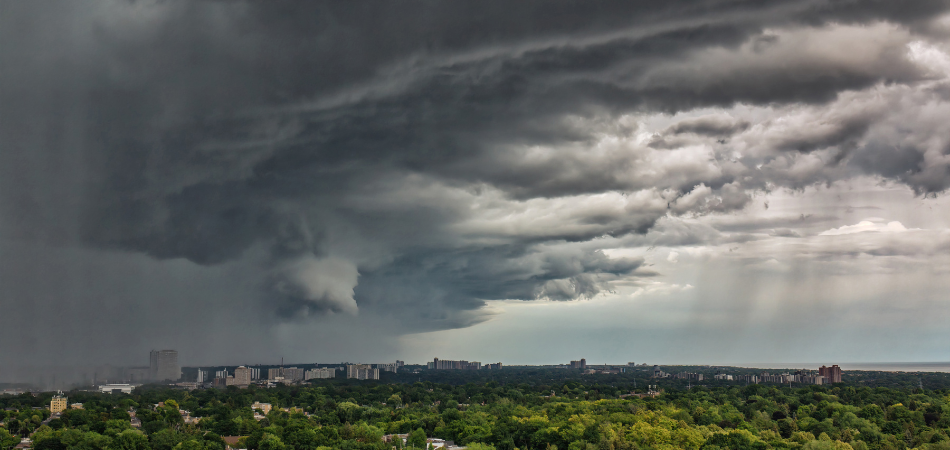
Severe weather is becoming more frequent across Canada and the damage can add-up quickly. According to the Insurance Bureau of Canada, severe weather events exceeded $2.4 billion in insured damage in 20251. Canada has the second-highest number of tornadoes in the world next to the United States, with an average of 97 tornadoes per year2.
While you can’t stop a tornado or windstorm from happening, you can take practical steps to help protect your home, your vehicle and the people who matter most.
In this article, we’ll cover:
- Tornado safety tips.
- How to prepare for tornadoes.
- What to include in a tornado emergency kit.
- How insurance may help after storm damage.
Do you know the signs of a severe weather event?
Tornado warnings may be issued up to an hour before a storm hits, but tornadoes can also develop quickly and with little notice3. Stay alert to changing weather conditions and watch for these possible signs of a tornado4:
- A dark sky with green or yellow clouds.
- Thunder, lightning, and high winds.
- A curtain of heavy rain or hail.
- An approaching funnel cloud with a rumbling or a whistling sound.
You can also check the Government of Canada’s Weather Information interactive map for active weather alerts across Canada.
What should you do before a tornado or windstorm?
A little preparation can make a big difference in an emergency. Start by putting together a 72-hour emergency kit with essentials such as:
- Water
- Non-perishable food
- Battery-powered radio
- Flashlight
- Extra batteries
- First aid kit
- Copies of important documents
- Cash
- Personal items specific to your household, such as prescription medications5.
Make sure everyone in your home knows where to take shelter, whether they’re at home, school, or work.
You can also help reduce the risk of damage to your property5 by:
- Store flammable or toxic products away from heat sources.
- Anchor heavy objects that could cause damage or injury.
- Secure patio furniture, garbage bins and other loose outdoor items.
- Check that downspouts extend at least six feet away from your home.
- Maintain your roof, chimney, heating system, electrical, plumbing and landscape grading.
- Consider keeping a generator and extra fuel on hand in case of a power outage.
- Install a backflow valve to help prevent sewage from backing up into your basement.
- Install impact-resistant windows and doors, including garage doors.
Loss prevention is the best way to get ahead of any damage that could result from severe weather events. Visit Orbit’s Loss Prevention Program for more information.
Where should you take shelter during a tornado or windstorm?
If severe weather is approaching, move away from windows, exterior walls and doors4. Go to the lowest and most central part of the building, such as a basement bathroom, closet or interior room4. If you don’t have a basement, take shelter under a sturdy desk or table3.
If you’re driving, get to the nearest solid shelter if it’s safe to do so. If a tornado is nearby and shelter isn’t available, get out of your vehicle and take cover in a low-lying area, such as a ditch. Protect your head from flying debris whenever possible4.
What steps should you take after a severe weather event?
Once the storm has passed, focus on safety first. Try to stay calm, check your surroundings, and check for any structural damage. If you think your home may be unsafe, leave and don’t go back inside until authorities say it’s safe.
Avoid turning on light switches or lighting matches until you’re confident there are no gas leaks and your electrical system is safe. Follow instructions from local authorities and stay away from damaged areas. Report any loose or dangling power lines, broken sewer lines or damaged water mains to the proper authorities, as they can create serious safety risks.4
When it’s safe to do so, document the damage by taking photos and making a list of belongings that may have been damaged or destroyed. If you need to make a claim, contact Orbit Insurance Services as soon as possible. We can help connect you with your insurer so an adjuster can review your claim and coordinate next steps.
Do you have the proper coverage in place?
Most home insurance policies include coverage for damage caused by tornadoes or windstorms. If you can’t stay in your home because of insured damage, your policy may also include additional living expenses, such as hotel stays or meals, up to your coverage limit. Damage to a vehicle caused by hail, ice, wind or water is typically covered under comprehensive or all-perils auto insurance, which are optional coverages.
If you’re an Orbit Insurance Services customer that’s concerned about severe weather in your area, contact us to review your current home or auto insurance policy and better understand your coverage. If you’re shopping for insurance, an Orbit insurance broker can help you compare coverage options and find protection that fits your needs.
-Home.svg?ext=.svg)
-Auto.svg?ext=.svg)
-Travel.svg?ext=.svg)


-Home.svg?ext=.svg)
-Auto.svg?ext=.svg)
-Boat.svg?ext=.svg)
-Business.svg?ext=.svg)
-Collector.svg?ext=.svg)
-Prize-Indemnity.svg?ext=.svg)
-Motorcycle.svg?ext=.svg)
-RV-Class-A.svg?ext=.svg)
-RV.svg?ext=.svg)
-Travel.svg?ext=.svg)

